
Introduction
A well-designed home does not need to be filled with expensive furniture or countless decorations. Minimalist Home Decor focuses on creating a clean, comfortable, and organized living space using only the items that truly add value. This design style combines simplicity, functionality, and beauty, making it ideal for people who want less clutter and more peace. Whether you are decorating a new apartment or refreshing your current home, a minimalist approach can make every room feel brighter, more spacious, and easier to maintain without sacrificing personality or comfort.
What is Minimalist Home Decor?
Minimalist Home Decor is an interior design style based on the idea that less is more. Instead of filling rooms with unnecessary furniture and decorations, it emphasizes essential pieces that serve both practical and visual purposes.
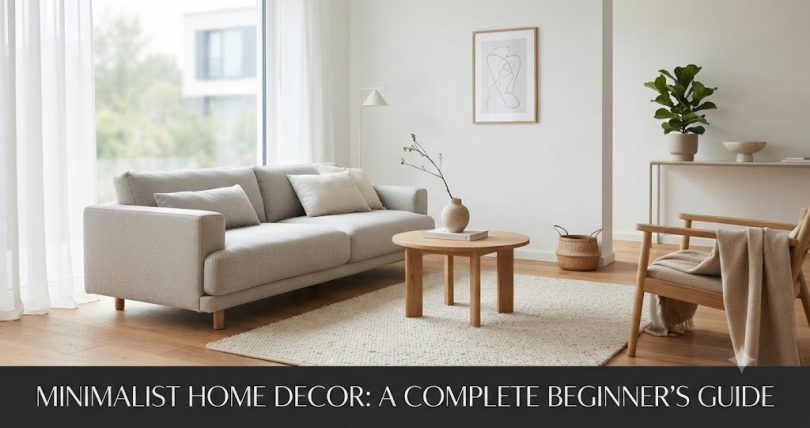
This style often includes neutral colors, natural materials, simple furniture, clean lines, and open spaces. Every item has a purpose, creating a balanced environment that feels calm and inviting. Minimalist decorating is not about living with nothing. It is about choosing quality over quantity while maintaining a functional and beautiful home.
Why is Minimalist Home Decor Important?
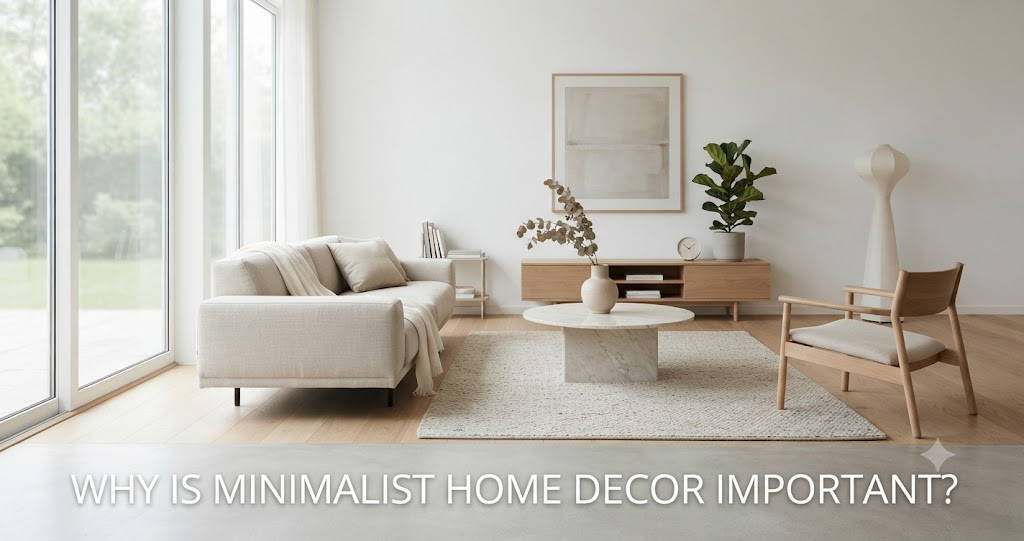
A clutter-free home can improve both comfort and productivity. When your surroundings are organized, it becomes easier to focus, relax, and enjoy everyday life.
Minimalist design also saves money because you buy fewer unnecessary items. Minimalist Home Decor It encourages thoughtful shopping, reduces waste, and supports a more sustainable lifestyle. Many homeowners appreciate that simple interiors remain stylish for years without following short-term design trends.
Step-by-Step Guide
Step 1: Declutter Every Room
Start by removing items you no longer use or need. Donate, recycle, or store seasonal belongings to create more open space.
Step 2: Choose Functional Furniture
Select furniture that serves multiple purposes, such as storage benches or coffee tables with hidden compartments. Focus on durability instead of quantity.
Step 3: Use a Neutral Color Palette
Soft whites, beige, gray, and earthy tones create a peaceful atmosphere. Add warmth with natural wood, cotton, or linen textures.
Step 4: Decorate with Purpose
Display only a few meaningful accessories, such as artwork, indoor plants, or decorative vases. These carefully selected pieces add character without creating visual clutter.
Step 5: Maintain the Space
Regular cleaning and organization keep your minimalist home looking fresh. Avoid buying decorative items unless they genuinely improve your space.
Benefits
The advantages of Minimalist Home Decor include:
- Creates a clean and organized environment.
- Makes small rooms appear larger.
- Reduces cleaning and maintenance time.
- Encourages mindful spending habits.
- Supports a calm and relaxing atmosphere.
- Allows quality furniture to stand out.
- Complements many architectural styles.
Risks or Disadvantages
Although appealing, minimalist decorating has a few challenges:
- Rooms may feel too plain if not balanced.
- Limited décor can reduce personal expression.
- High-quality furniture may cost more initially.
- Empty spaces sometimes require thoughtful styling.
- Family homes may need extra storage solutions.
Common Mistakes to Avoid
Many beginners misunderstand minimalism by removing too much furniture or eliminating all decorative items. The goal is balance rather than emptiness.
Another common mistake is purchasing cheap furniture that wears out quickly. Invest in timeless, durable pieces that provide lasting value.
Ignoring storage is another problem. Hidden storage helps maintain clean surfaces while keeping everyday essentials accessible.
Finally, avoid decorating every room identically. Small personal touches like framed photographs, textured cushions, or plants make the home feel warm and welcoming.
FAQs
Is minimalist decorating expensive?
Not necessarily. Buying fewer but higher-quality items often saves money over time.
Can small homes use this design style?
Yes. Simple layouts and reduced clutter make compact spaces feel larger and brighter.
Which colors work best?
White, cream, gray, beige, soft green, and natural wood tones are popular choices.
Can I mix minimalist and modern styles?
Absolutely. Modern furniture often pairs perfectly with minimalist interiors while maintaining a clean appearance.
How often should I declutter?
Review your belongings every few months to keep your home organized and prevent unnecessary accumulation.
Expert Tips
Choose timeless furniture instead of trendy designs that quickly go out of style. Invest in durable materials that remain attractive for years.
Layer different textures like wood, woven baskets, soft rugs, and linen curtains to make simple rooms feel warm rather than empty.
Use natural light whenever possible. Large windows, sheer curtains, and strategically placed mirrors make spaces feel brighter and more open.
Keep decorations meaningful by displaying only items that have sentimental value or practical use. This approach strengthens the overall purpose of Minimalist Home Decor while keeping every room visually appealing.
Conclusion
Creating a beautiful home does not require endless decorations or expensive renovations. Minimalist Home Decor offers a practical way to design spaces that are clean, functional, and welcoming. Minimalist Home Decor By decluttering regularly, choosing versatile furniture, and decorating with intention, you can build a home that feels peaceful and stylish every day. Remember that minimalism is about making thoughtful choices rather than following strict rules. Start with one room, make gradual improvements, and enjoy a living space that supports comfort, simplicity, and lasting satisfaction.