
Introduction
Minimalist interior design has become a popular choice for people seeking homes that feel peaceful, practical, and visually appealing. Instead of filling every corner with decorations, this design style focuses on simplicity, functionality, and thoughtful choices. Whether you live in a small apartment or a spacious house, embracing a minimalist approach can improve comfort while reducing clutter. This guide explains the basics, highlights key benefits, and provides practical steps to help beginners confidently create balanced, inviting spaces without sacrificing personality or warmth.
What is Minimalist Interior Design?
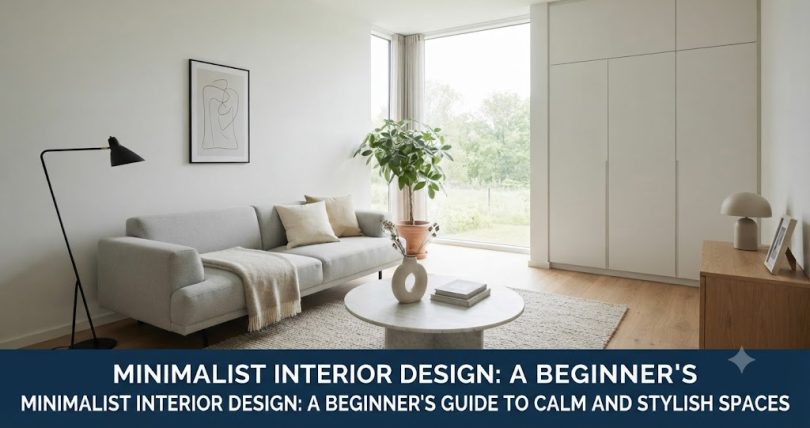
Minimalist interior design is a decorating style that emphasizes clean lines, open spaces, and carefully selected furniture. Every item serves a purpose, reducing unnecessary clutter while creating a calm atmosphere.
Common features include neutral color palettes, natural light, functional furniture, simple textures, and organized storage. Instead of adding more decorations, the focus is on quality over quantity. For example, a single framed artwork on a plain wall often creates a stronger visual impact than several unrelated decorations.
Why Is It Minimalist Interior Design Important?
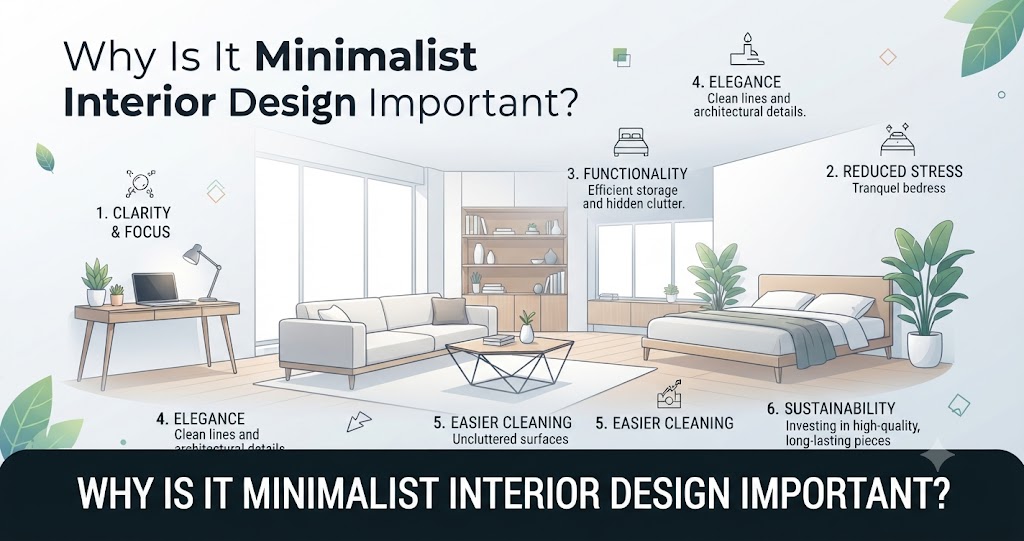
A thoughtfully designed home supports daily routines and improves overall comfort. Minimalist interior design encourages intentional living by helping people keep only what they truly use or appreciate.
This approach also makes cleaning easier, reduces visual distractions, and creates rooms that feel larger. As a result, homeowners often experience less stress while enjoying spaces that remain timeless despite changing design trends.
Step-by-Step Guide
1. Declutter Every Room
Begin by removing items you rarely use. Donate, recycle, or store belongings that no longer serve a meaningful purpose.
2. Choose a Neutral Color Palette
Select whites, soft grays, beige, or muted earth tones. These colors create a bright, calming foundation for every room.
3. Select Functional Furniture
Choose furniture with clean shapes and multiple purposes. For example, a storage bench offers seating while hiding everyday items.
4. Add Simple Decorative Touches
Include a few carefully chosen accessories such as indoor plants, textured cushions, or ceramic vases to maintain warmth without overcrowding the space.
5. Maximize Natural Light
Keep windows clear whenever possible. Light curtains and strategically placed mirrors help brighten rooms and enhance openness.
Benefits
- Creates a cleaner and more organized home.
- Reduces visual clutter and daily stress.
- Makes small spaces appear larger.
- Simplifies cleaning and maintenance.
- Encourages mindful purchasing habits.
- Supports timeless, elegant home decor.
- Improves functionality through purposeful furniture choices.
Risks or Disadvantages
- Rooms may feel too plain if personal touches are missing.
- High-quality furniture can require a larger initial investment.
- Decluttering may feel emotionally challenging.
- Excessive simplicity can reduce warmth when textures are ignored.
- Poor planning may create spaces lacking practical storage.
Common Mistakes to Avoid
Many beginners assume minimalist interior design means removing almost everything. Instead, focus on keeping meaningful, functional pieces.
Avoid buying trendy furniture simply because it looks minimal. Always consider comfort, durability, and everyday usability.
Another mistake is ignoring texture. Soft rugs, woven baskets, linen curtains, and wooden furniture prevent rooms from feeling cold or empty.
Finally, resist filling newly cleared spaces with unnecessary decorations. Let open areas contribute to the room’s overall balance.
FAQs
What colors work best? Neutral shades such as white, gray, beige, and soft earth tones create a calm foundation.
Can minimalist interior design work in small apartments? Yes. Smart storage, multifunctional furniture, and fewer decorations make compact spaces feel larger.
Is this style expensive? Not necessarily. Starting with decluttering and keeping existing quality furniture can reduce overall costs.
How do I make minimalist rooms feel cozy? Add natural materials, layered textures, soft lighting, and a few meaningful decorative accents.
Can families use this design style? Absolutely. Organized storage and practical layouts help busy households stay tidy and functional.
Expert Tips
Start with one room instead of redesigning your entire home at once. Small successes build confidence and make future projects easier.
Invest in durable furniture that combines comfort with practical storage. Long-lasting pieces reduce unnecessary replacements over time.
Use consistent colors throughout connected spaces to create a seamless flow. This simple strategy strengthens visual harmony.
Review your belongings every few months. Regular decluttering keeps your minimalist interior design organized without becoming overwhelming.
Balance simplicity with personality by displaying meaningful artwork, treasured books, or family photographs in moderation.
Conclusion
Minimalist interior design offers more than an attractive appearance. It creates practical, comfortable spaces that support everyday living while reducing unnecessary distractions. By focusing on thoughtful furniture, organized storage, neutral colors, and intentional decorating, anyone can achieve a balanced home regardless of size or budget. Begin with small improvements, stay consistent, and remember that simplicity does not mean sacrificing character. Over time, these mindful choices can transform your living environment into a peaceful, functional space that remains welcoming for years ahead.