
Introduction
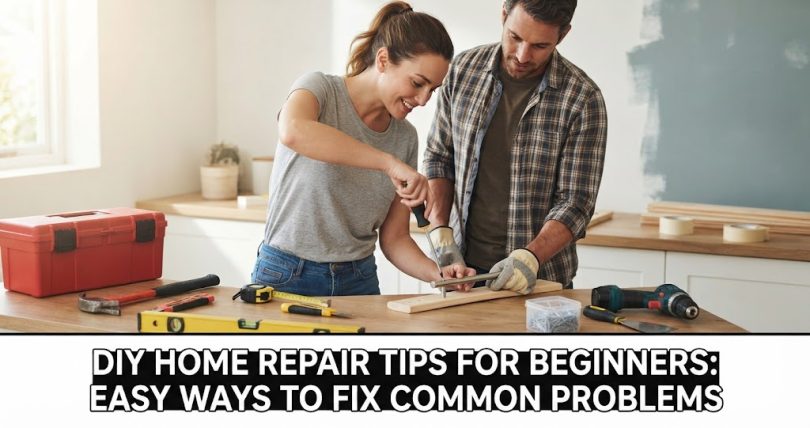
Every homeowner faces small maintenance issues sooner or later. Learning DIY Home Repair Tips can help you solve common household problems without calling a professional for every task. Whether you need to fix a dripping faucet, patch a hole in the wall, or tighten a loose cabinet handle, basic repair skills save both time and money. They also help you understand how your home works, making future maintenance easier. With patience, the right tools, and proper safety measures, beginners can complete many simple repairs with confidence while keeping their homes in excellent condition.
What are DIY Home Repair Tips?
DIY Home Repair Tips refers to practical techniques and methods that help homeowners complete basic maintenance and repair tasks on their own. These tasks include repairing minor plumbing leaks, fixing damaged walls, replacing hardware, sealing gaps, and maintaining household fixtures.
Instead of relying on professionals for every small issue, homeowners can use simple tools and easy instructions to complete many projects safely. Learning these skills builds confidence and encourages better home maintenance habits.
Why are DIY Home Repair Tips Important?
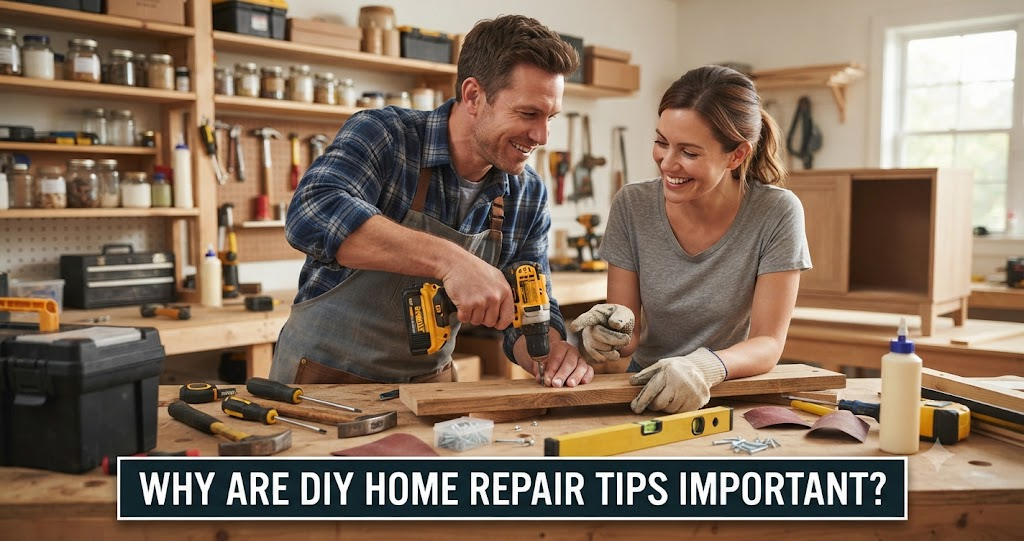
Small repairs often become expensive problems when ignored. Fixing issues early helps protect your home’s value and prevents further damage.
Basic repair knowledge also saves money, improves safety, and reduces unnecessary service calls.DIY Home Repair: More importantly, it gives homeowners greater confidence in handling everyday maintenance challenges while extending the lifespan of household materials and appliances.
Step-by-Step Guide
1. Gather Essential Tools
Start with a toolbox containing a hammer, screwdriver set, adjustable wrench, measuring tape, utility knife, pliers, level, drill, and safety gloves. Having quality tools makes repairs easier and more accurate.
2. Identify the Problem
Inspect the damaged area carefully before beginning work. For example, determine whether a leak comes from a loose connection, a worn washer, or a cracked pipe before buying replacement parts.
3. Follow Safety Precautions
Turn off electricity before electrical repairs and shut off the water supply before plumbing work. Wear protective eyewear and gloves whenever necessary to reduce the risk of injury.
4. Complete the Repair
Follow clear instructions and work slowly. Measure twice before cutting materials, tighten fittings without overdoing them, and test the repair before considering the project finished.
5. Clean and Inspect
Remove debris, organize tools, and inspect your completed work. A final inspection helps confirm everything functions correctly and safely.
Benefits
Using DIY Home Repair Tips offers several valuable advantages:
- Saves money on minor repair costs.
- Builds useful practical skills.
- Prevents small issues from becoming expensive repairs.
- Increases confidence with home maintenance.
- Improves the appearance and functionality of your home.
- Helps maintain property value over time.
Risks or Disadvantages
Although many repairs are manageable, there are some limitations:
- Mistakes can lead to additional repair costs.
- Some projects require specialized tools.
- Electrical or structural work may be dangerous.
- Repairs may take longer for beginners.
- Incorrect repairs can reduce long-term durability.
Common Mistakes to Avoid
Many beginners rush into repairs without proper planning. Always read instructions before starting a project.
Using the wrong tools is another frequent mistake that can damage materials or create safety risks. Buying quality equipment is usually a worthwhile investment.
Avoid ignoring safety procedures, especially around electricity, gas lines, or ladders. Protective gear should never be skipped.
Finally, do not attempt repairs beyond your experience. Large plumbing failures, roof damage, or structural problems should be handled by qualified professionals.
FAQs
1. What repairs can beginners safely perform?
Most beginners can repair small wall holes, tighten loose hardware, replace weather stripping, unclog drains, and fix minor leaks.
2. How can I improve my repair skills?
Practice on simple projects, read reliable guides, and learn one new repair at a time.
3. Which tools should every homeowner own?
A hammer, screwdrivers, pliers, drill, wrench, measuring tape, utility knife, flashlight, and level are excellent starting tools.
4. When should I call a professional?
Seek professional help for major electrical work, gas systems, structural damage, roof repairs, or complex plumbing issues.
5. How often should home maintenance be performed?
Inspect your home every season and address minor issues immediately before they become larger problems.
Expert Tips
Keep a maintenance checklist and inspect your home regularly for leaks, cracks, or loose fixtures. Store extra screws, nails, wall anchors, and plumbing washers for quick repairs.
Label shut-off valves and circuit breakers so emergencies can be handled quickly. Take photos before disassembling complicated fixtures to simplify reassembly later. DIY Home Repair Most importantly, practice patience because careful work usually produces better and safer results than rushing through a repair.
Conclusion
Learning DIY Home Repair Tips is a valuable investment for every homeowner. Even simple repair skills can reduce maintenance expenses, improve household safety, and prevent small issues from becoming major problems. By using the right tools, following safety guidelines, and practicing on manageable projects, beginners can develop confidence while keeping their homes in great condition. DIY Home Repair Remember that not every repair should be handled alone, and recognizing when professional assistance is needed is also part of responsible homeownership. With consistent practice, you’ll become more capable of maintaining a comfortable, functional, and well-cared-for home.